
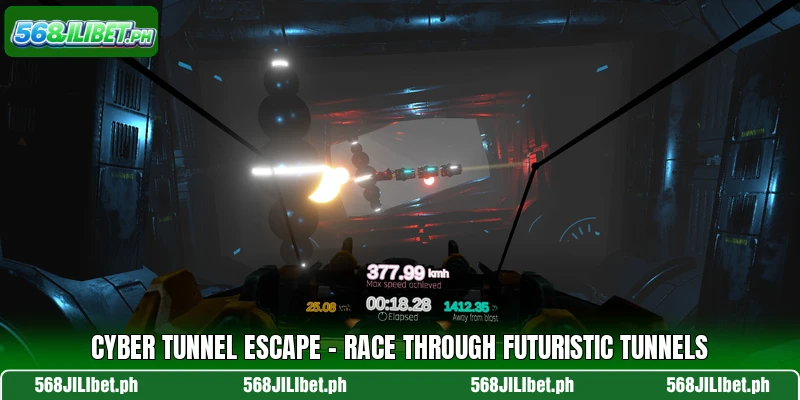
Cyber Tunnel Escape gives players a tunnel run built around gates, movement, and timing. This article is written for players and members on 568JILI, helping them understand round flow, core actions, and session purpose.
How Cyber Tunnel Escape starts at 568JILI today
The game opens with a neon tunnel and moving walls. In Cyber Tunnel Escape, players follow lanes, avoid traps, and react before gates close. The main screen stays simple, so members read movement without heavy menus.
Each round begins after the chosen table value appears beside the play area. Players can see PHP or USD amounts before starting, depending on settings. The layout supports quick checks, because wrong entries can disturb the next turn.
The theme focuses on escape pressure, not long story scenes or cutscenes. Sounds mark danger points, while tunnel lights show where the next gap may open. This clear setup makes the game easy to read after a few rounds.
Rules and controls for clean tunnel runs
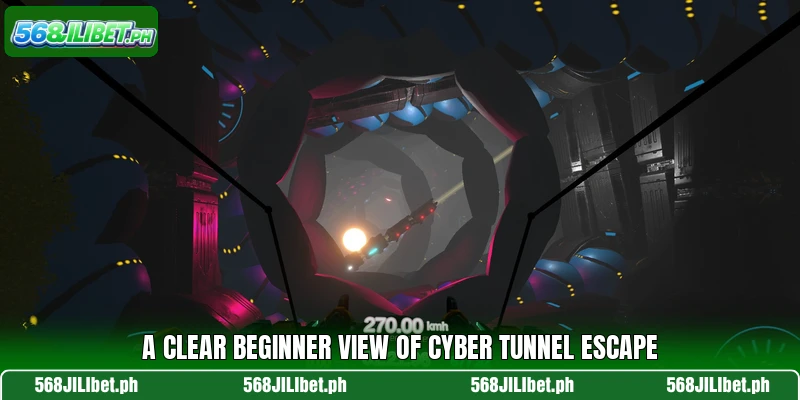
Rules stay direct because Cyber Tunnel Escape depends on timing, lane reading, and taps. Players should learn the screen signals before raising table levels or chasing faster rooms.
Tunnel movement and lane choices
Tunnel movement works through short actions that shift the runner between active lanes. Players watch the nearest opening, then move only when the route is clear. A late move can hit a gate, while early movement may block recovery.
Lane choices matter because hazards rarely sit in the same pattern for long. The center lane often gives more options, but side lanes can open safer exits. Members should treat every lane change as a planned step, not a reflex tap.
A clean run usually starts with small turns and careful distance checks. Players can follow the light rhythm, then enter gaps as walls slide away. This approach keeps the round readable when stage speed begins to rise.
Cyber Tunnel Escape route timing
Route timing is the main skill behind stronger tunnel runs and smoother exits. Players should watch gate speed before moving, because the second gap may be safer. Fast taps look exciting, yet measured actions usually keep control longer.
In Cyber Tunnel Escape, each route can change after a warning light or sound cue. Members should connect these signals with the next safe lane, not only the current gap. That habit makes sudden tunnel shifts easier to handle during pressure.
Timing also affects bonus turns when the game offers short extra routes. Players should enter those sections only after checking the first hazard line. A rushed bonus path can waste a good position near the tunnel exit.
Hazard signals during faster stages
Hazard signals appear through lights, barriers, and quick screen changes. Players need to separate real openings from risky gaps that close too soon. The safest move often comes after one short wait, not immediate action.
Faster stages make Cyber Tunnel Escape feel tighter because warning windows become smaller. Members should focus on the closest two hazards, rather than scanning the entire tunnel. This keeps attention on threats that can actually stop the current run.
Some hazards also move in pairs, so one clear gap can hide another barrier. Players can pause movement for a beat when two signals flash together. That small delay often gives a better route for the next step.
View more: Void Runner X – Endless Sci-Fi Running Action Begins
Room choices for different players
Room choices can change pace, table value, and round pressure across sessions. New players may start in lower PHP rooms to learn signals without heavy swings. Experienced members can test USD rooms when they already read lanes consistently.
A room should match the player’s comfort with speed and screen movement. Some rooms feel calm because hazards appear with wider timing gaps. Others feel sharper because gates close faster and routes switch more often.
Players should compare rooms by entry amount, pace, and personal reading accuracy. A higher room is not automatically better if signals become hard to follow. The right room lets members read the tunnel while keeping actions clear.
Practical routes for stronger escape rounds today
Practical play comes from reading patterns, not guessing every flash on the screen. Cyber Tunnel Escape rewards players who connect entry pace, checkpoint use, and table awareness during each run.
Entry pace in early rounds
Early rounds give players time to understand the tunnel rhythm before hazards tighten. Members can use the first few turns to test lane response and screen distance. This stage is useful because mistakes show how fast recovery feels.
A steady opening in Cyber Tunnel Escape starts with one clear lane target. Players should avoid changing direction twice without a fresh signal from the route. Extra movement can place the runner beside a closing gate.
Entry pace also helps players judge whether the current room fits their style. If the first barriers feel too quick, a slower table may suit practice better. When the lane rhythm feels clear, players can continue with stronger focus.
Checkpoint use during pressure
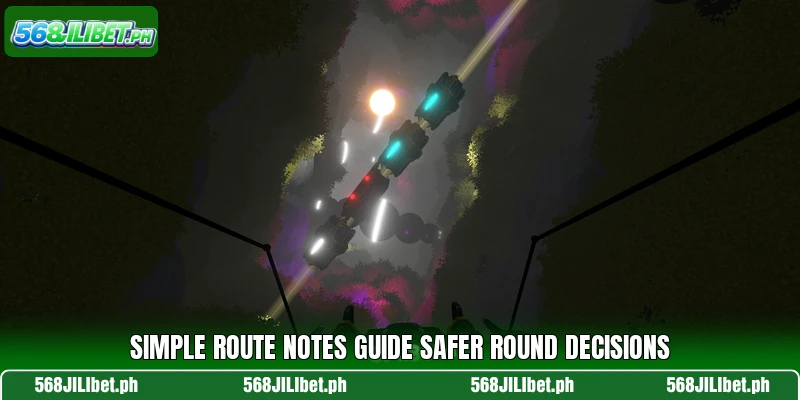
Checkpoints help players reset their route after difficult tunnel sections. A checkpoint can protect progress, but reaching it still requires clean movement. Members should look for safer paths before forcing a straight run through traffic.
During pressure, the best checkpoint route is often the simplest visible lane. Players can ignore far openings if the nearest path already stays clear. This makes recovery easier when warning lights appear close together.
A missed checkpoint does not always mean the round is finished immediately. Players can still recover by choosing the next stable gap and avoiding panic taps. Good recovery comes from reading one hazard group at a time.
PHP and USD table awareness
Table awareness starts with checking the entry amount before every session. Players in the Philippines may see PHP values, while some rooms show USD options. This information helps members compare room pace with the listed cost.
In Cyber Tunnel Escape, table size can shape how players feel during faster moments. A smaller entry often makes practice calmer, especially when learning hazard signals. Larger values may suit players who already understand room speed and route pressure.
Players should also review payout displays before starting any new room. Clear table reading prevents confusion when rounds finish quickly or bonus routes appear. Simple checks make the game flow easier across different currency settings.
View more Category: Arcade
Conclusion
Cyber Tunnel Escape stands out through quick tunnel reading, short decisions, and route timing that stays easy to follow. Players can use 568JILI to try the game, compare rooms, and choose PHP or USD tables. Register, download the app, start the game, and may every tunnel run bring a lucky exit.